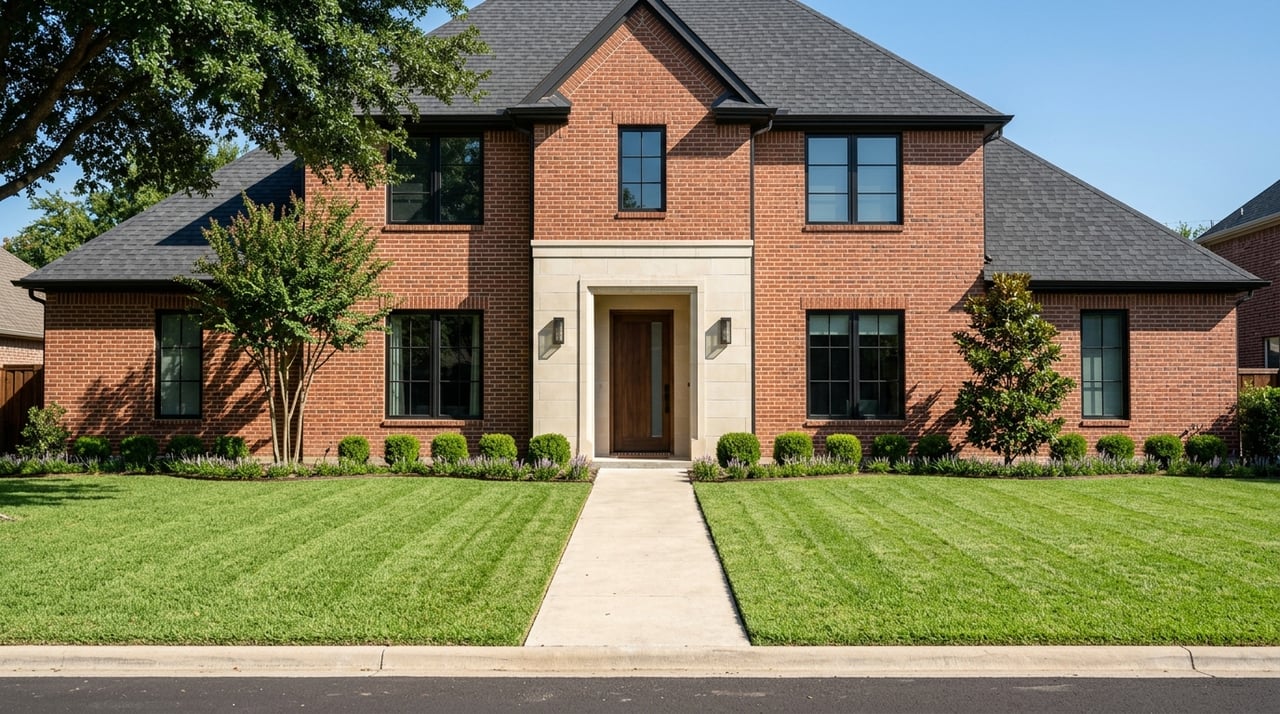
If you have ever driven through Coppell and thought, "These neighborhoods all feel different, even when the homes seem similar on paper," you are not imagining it. In Coppell, home style and neighborhood character are closely tied to when an area was built, how the streets are laid out, and how the city has chosen to preserve its single-family identity over time. If you are buying or selling here, understanding those differences can help you spot value, compare homes more accurately, and make a smarter move. Let’s dive in.
Why Coppell Feels Distinct
Coppell remains a strongly single-family city. According to the city’s 2025 demographics, 74.38% of housing units are single-unit structures, 67.89% are owner-occupied, and the median value of owner-occupied homes is $623,780.
That overall picture helps explain why neighborhood character matters so much here. The city’s long-range planning also points to preserving a community-oasis feel, protecting older housing stock, and keeping neighborhood character intact, so buyers often notice not just the house itself, but the full setting around it.
How Home Styles Break Down in Coppell
Coppell’s housing stock comes from several different eras. About 39.93% of homes were built in 1989 or earlier, 37.32% were built in the 1990s, and 22.75% were built in 2000 or later.
That mix creates distinct layers across the city. In practical terms, you are not just shopping by square footage or bedroom count in Coppell. You are often choosing between historic charm, established suburban design, or newer custom finishes and layouts.
Old Coppell Character
Historic Layers, Not One Style
Old Coppell is best understood as a layered historic area rather than a single architectural style. The city’s historic resource survey notes that you will find Craftsman and Minimal Traditional homes, along with Ranch, Split Level, and Mid-Century Modern influences.
That variety is part of the appeal. Instead of block after block of the same elevation, Old Coppell tends to feel more personal, more varied, and more rooted in the city’s earlier development pattern.
Walkable Village Feel
Old Town sits on the original town site and stands out as Coppell’s clearest village-scale, walkable district. Homes, businesses, restaurants, and gathering spaces are organized around the town square and farmers market, which gives the area a more compact and connected feel than many suburban subdivisions.
The city’s planning vision for Old Coppell emphasized traditional neighborhood design, including single-family homes on roughly 40- to 50-foot lots. That helps create a closer streetscape, a more defined front-yard rhythm, and a setting where the block itself becomes part of the lifestyle.
Streetscape Matters Here
In Old Coppell, neighborhood character is shaped by more than the houses alone. Historic district guidelines support traditional materials and details, discourage front-yard paving, and call for features like picket fencing and period-sensitive street furnishings.
That is why some streets feel especially true to Old Coppell even when homes have been updated over time. The setting still reads as traditional, intentional, and tied to the historic core.
Established Subdivisions From the 1970s to 1990s
The Traditional Suburban Look
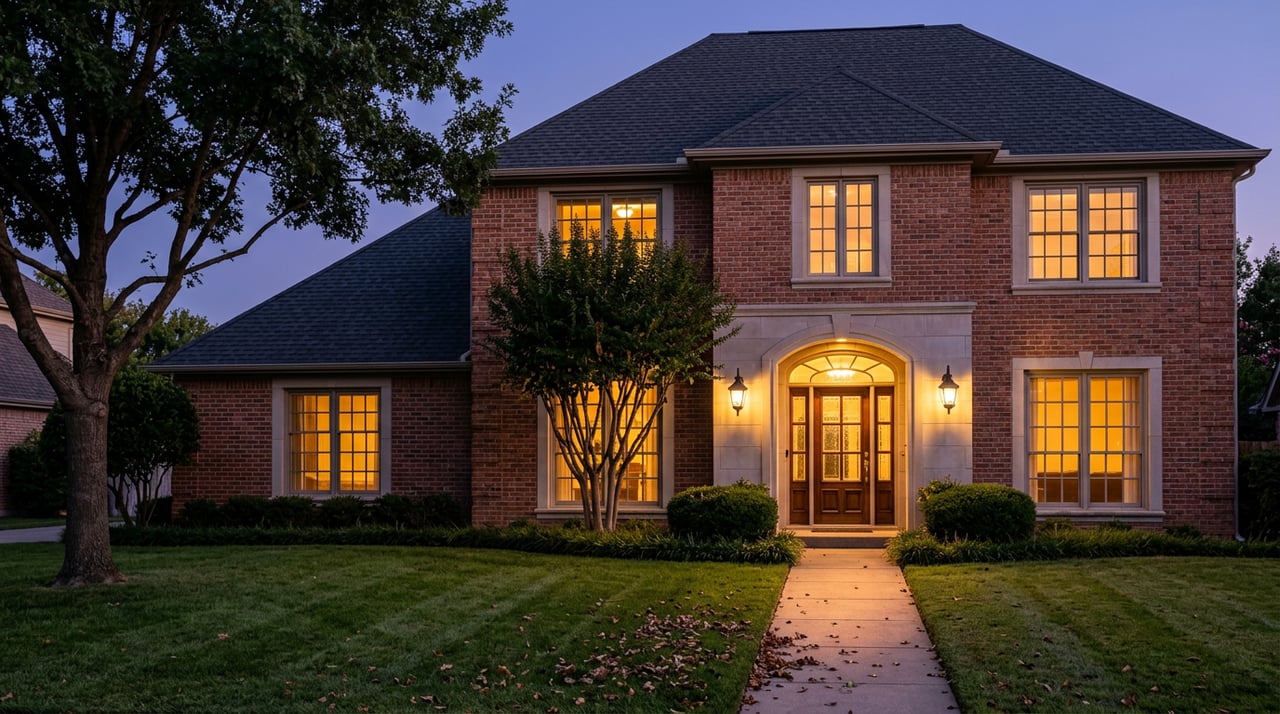
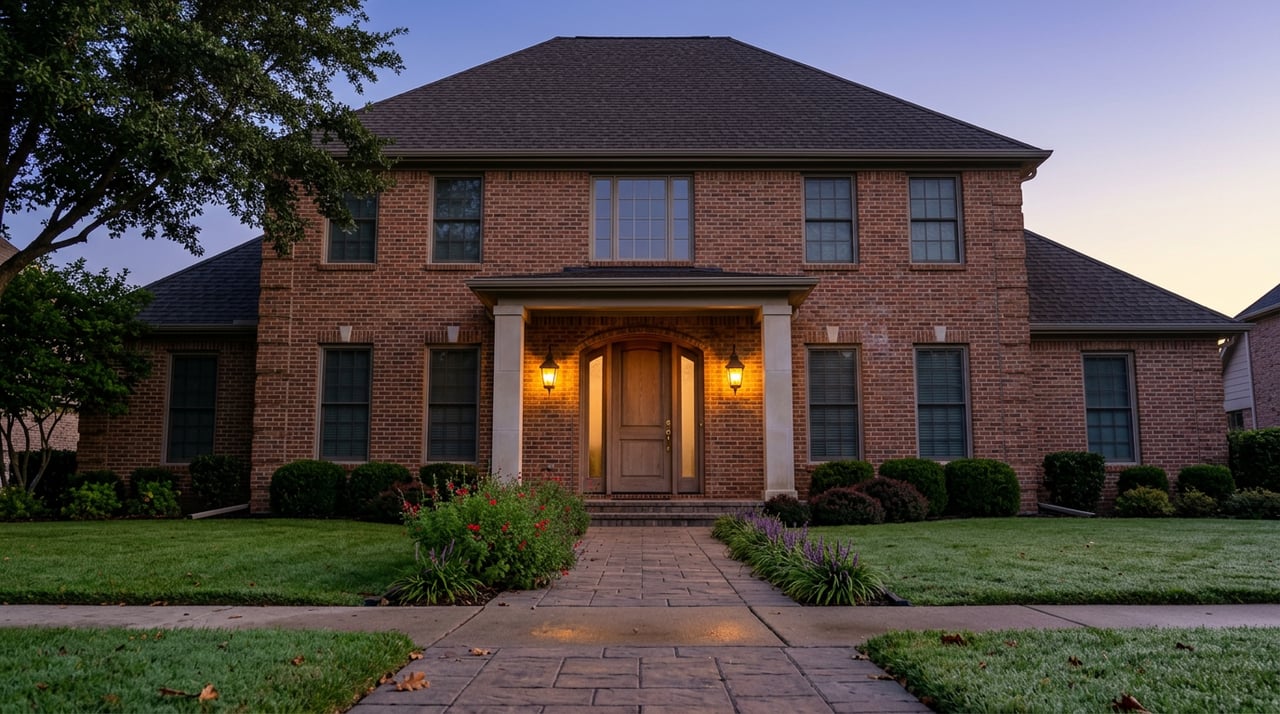
Outside the historic core, much of Coppell reflects the traditional suburban pattern that many buyers expect. These neighborhoods often feature brick homes, one- or two-story floor plans, cul-de-sacs, mature landscaping, and practical layouts with multiple living spaces.
This part of Coppell often feels established rather than brand new. Streets tend to have more tree cover, lots may feel more settled, and homes often offer a balance of size, function, and long-term livability.
What Buyers Often See in These Homes
Recent examples from neighborhoods like Northlake Woodlands show the kinds of features buyers commonly associate with 1980s and 1990s Coppell homes. Updated kitchens, vaulted ceilings, split-bedroom layouts, patios, pools, and three-car garages are all part of that conversation.
In earlier neighborhoods like Park Meadow, the base housing stock may date to the late 1970s, which often means buyers are comparing original layouts with renovated versions of the same era. Two homes in the same area can feel very different depending on how much updating has been done.
Why These Neighborhoods Feel Spacious
Late-1990s growth in Coppell also added larger detached single-family homes in established-style subdivisions. Magnolia Park is one example, with homes built around 1998 to 2002 and typical sizes ranging from about 2,700 to 4,700 square feet.
That size range helps explain why many Coppell neighborhoods feel more spacious than newer, more compact subdivisions in other parts of DFW. For many buyers, that combination of larger homes, mature surroundings, and established streetscape is a major draw.
Newer Custom and Infill Homes
Scattered, Not Concentrated
Coppell does have newer custom homes, but they usually appear in smaller pockets or as infill rather than in one large new-build district. Recent examples cited in market listings include custom homes from 1998 and 2015, along with more modern custom construction on larger lots.
That pattern matters if you are searching for newer finishes in Coppell. Instead of touring one master-planned section full of new homes, you may find standout custom properties mixed into more established areas.
What Sets Them Apart
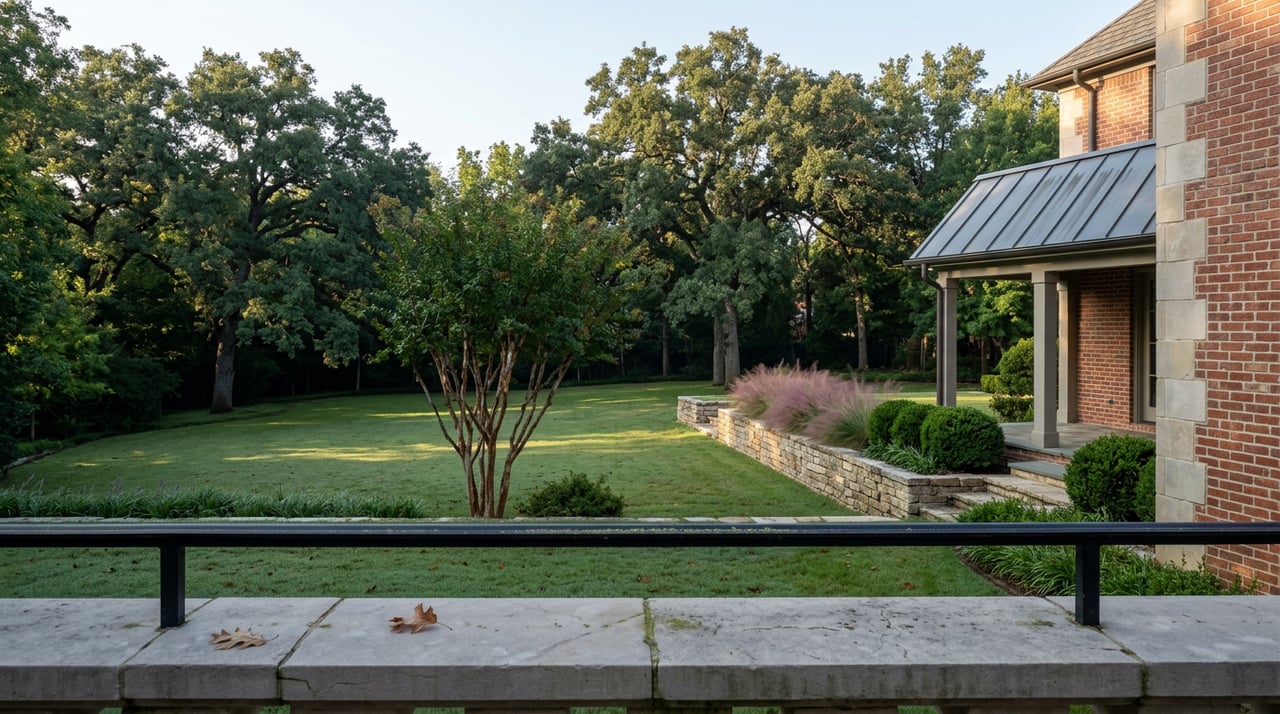
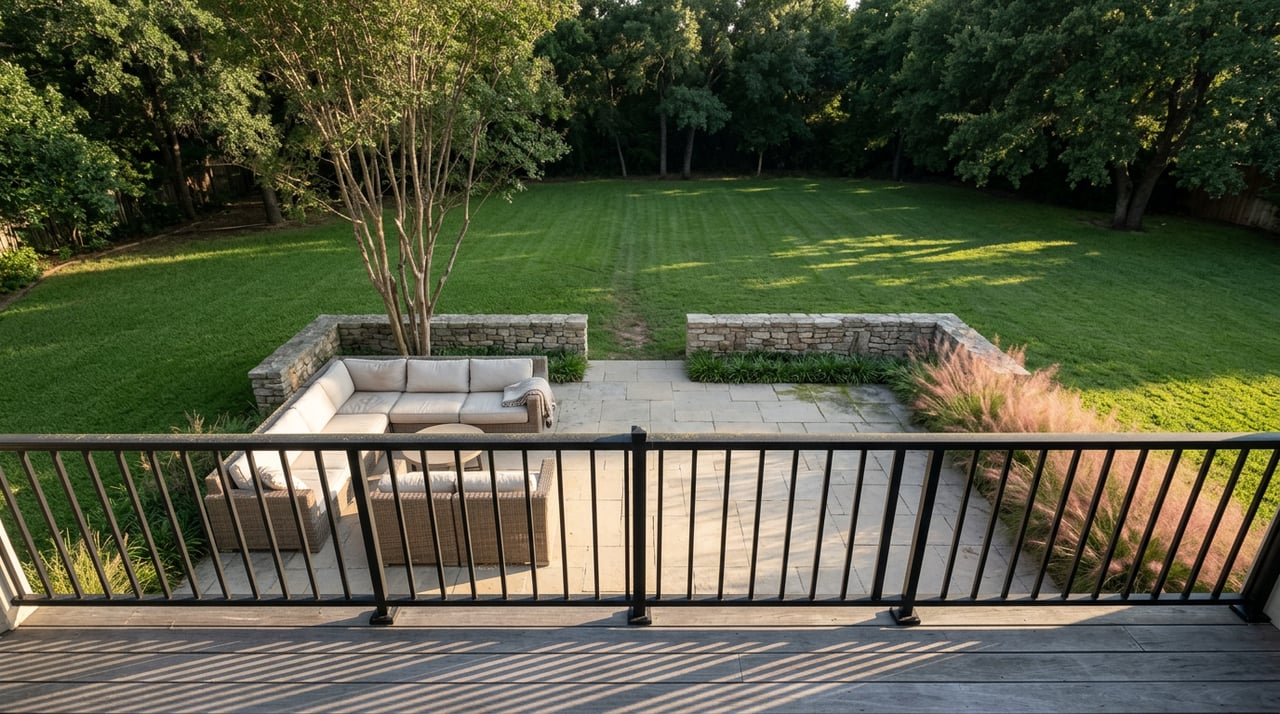
Newer custom homes in Coppell often compete on different strengths than older homes. Listings commonly highlight open living areas, higher-end finishes, custom cabinetry, panoramic doors, larger lots, and stronger indoor-outdoor flow.
For some buyers, that means a more current floor plan and a more polished finish level. For others, it means weighing those features against the character and setting of an older neighborhood.
Why “Contemporary” Often Still Feels Traditional
Even when a home has a newer look, Coppell often leans transitional rather than sharply modern. In Old Coppell especially, new infill is expected to fit traditional neighborhood design instead of introducing architecture that feels out of place with the surrounding streetscape.
That is why many updated or newer Coppell homes still present a traditional exterior shell with cleaner lines and more modern finishes inside. The result is often a blend of classic neighborhood character and current livability.
How Streets Shape Neighborhood Character
In Coppell, the feel of a neighborhood often starts with the street itself. The city points to shaded streets, cul-de-sacs, school- and park-centered blocks, and the compact Old Town grid as defining elements of local character.
That physical form affects how a neighborhood feels day to day. A cul-de-sac can feel tucked away and residential, while a more connected grid in Old Town may feel more walkable and social.
For buyers, this is one reason two similar homes can create very different first impressions. For sellers, it is also a reminder that your home is being judged in context, not in isolation.
What Style Means for Buyers
Similar Size, Different Experience
In Coppell, two homes with similar square footage can live very differently. An original ranch, a renovated 1980s traditional, an Old Coppell cottage, and a newer custom home may all offer similar size on paper, but they deliver different layouts, lot experiences, and neighborhood settings.
That is why style and age matter beyond appearance. They shape how the home functions, how it feels when you walk in, and how it fits your priorities.
Value Is Not Just About Updates
Buyers in Coppell tend to respond to different home types in different ways. Updated 1980s and 1990s homes often compete on condition and function, newer custom homes compete on finishes, lot size, and ceiling height, and Old Coppell homes compete on character, walkability, and historic streetscape.
That means value is rarely just about who has the newest countertops. The bigger question is how well a home delivers what buyers want from that specific part of Coppell.
What Style Means for Sellers
If you are selling in Coppell, your best strategy usually starts with positioning your home correctly within its neighborhood story. A home in Old Coppell should not be marketed the same way as a 1990s brick traditional or a newer custom property on a larger lot.
Buyers are comparing more than features. They are comparing lifestyle, setting, and the type of neighborhood experience each home offers.
That is where local knowledge matters. When your pricing, presentation, and marketing align with the style and character of your area, your home is easier for buyers to understand and easier for the market to value correctly.
How to Read a Coppell Neighborhood
When you are touring Coppell, look beyond the front elevation and ask a few practical questions:
- What era was this area built in?
- Is the neighborhood more historic, established suburban, or custom infill?
- How do the streets feel: cul-de-sac, shaded collector street, or walkable grid?
- Are homes largely original, updated, or a mix of both?
- Is the appeal driven more by character, size, finishes, or lot configuration?
Those questions can help you compare homes more clearly and avoid lumping very different neighborhoods into the same mental bucket.
Making Sense of Coppell’s Housing Mix
Coppell’s appeal comes from the fact that it is not one-note. The city has a strong single-family foundation, a meaningful mix of housing eras, and a planning approach that values neighborhood character and context.
For you, that means more choices, but also more nuance. Whether you are looking for historic charm, an established traditional layout, or a newer custom feel, the right move usually comes from understanding how the house and the neighborhood work together.
If you want help reading the differences between Coppell home styles, comparing neighborhoods, or positioning your home for the market, Jeff Hahn can help you make your best move.
FAQs
What home styles are most common in Coppell?
- Coppell is mostly single-family, with a mix of historic homes in Old Coppell, established brick homes from the late 1970s through the 1990s, and scattered newer custom or infill homes.
What makes Old Coppell feel different from other Coppell neighborhoods?
- Old Coppell stands out for its walkable town-square setting, layered historic housing styles, smaller traditional lots, and streetscape details that support a village-style feel.
Are most Coppell neighborhoods older or newer?
- Coppell has a strong mix of housing eras, with about 39.93% of homes built in 1989 or earlier, 37.32% built in the 1990s, and 22.75% built in 2000 or later.
What do buyers usually look for in established Coppell subdivisions?
- Buyers often focus on practical layouts, mature landscaping, updated interiors, multiple living areas, and the more spacious feel that many established Coppell neighborhoods offer.
Are there new construction homes in Coppell?
- Newer homes in Coppell are typically found in smaller custom or infill pockets rather than in one large new-build area, and many blend modern interiors with traditional exterior design.
Why does neighborhood character matter when buying in Coppell?
- Neighborhood character affects daily feel, buyer perception, and how homes compare in value, especially since streetscape, lot pattern, and housing era can change the experience of a home significantly.