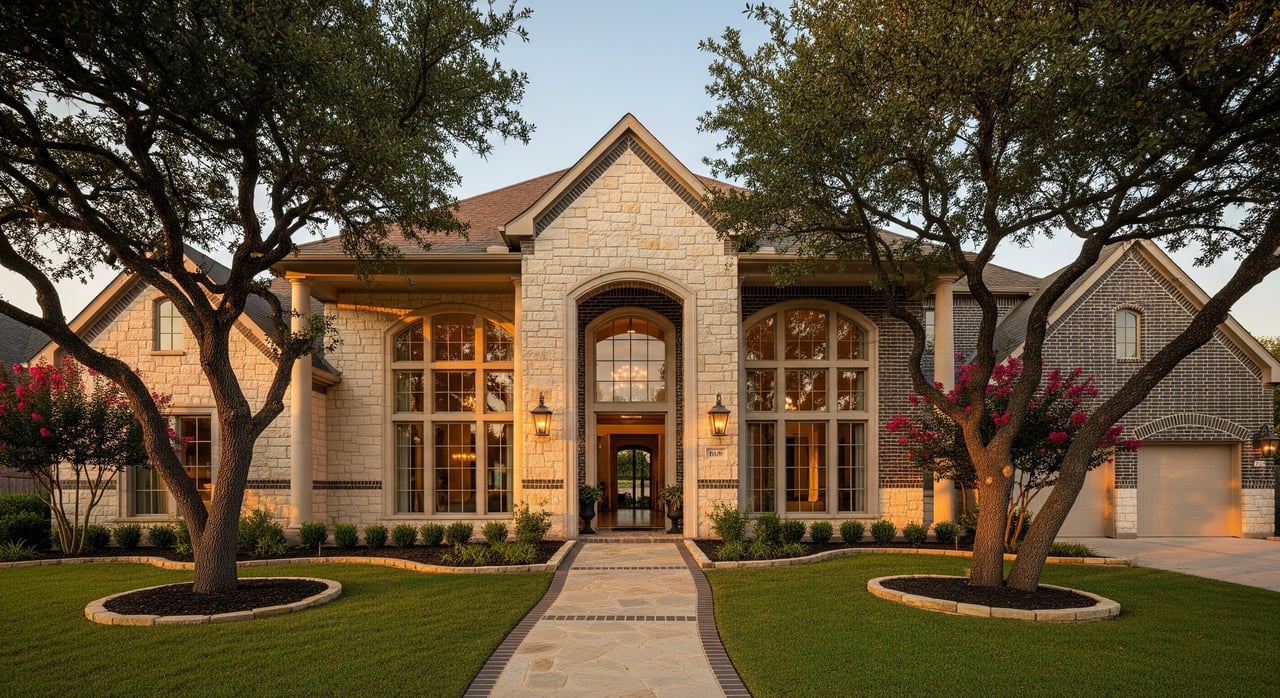
Ready to sell in Coppell but unsure where to set your price? You are not alone. In the mid to upper price bands, a few thousand dollars can shift your buyer pool, your showings, and your final net. This guide shows you how to price with confidence using a clear, local CMA framework, micro-market adjustments, and smart list strategies that work in Coppell. Let’s dive in.
Coppell market context that shapes price
Coppell sits inside the larger Dallas–Fort Worth metro. That means regional trends like interest rates, job growth, migration, and inventory levels influence local demand. Use DFW and Texas-level reports for momentum, then tighten your analysis with Coppell MLS data.
Buyers here often value convenience and community. Several local drivers consistently affect pricing and comp selection:
- Coppell ISD school zones can carry a material price premium. Treat school boundaries as a first-order variable when building comps.
- Commute and access matter, especially proximity to DFW Airport, toll roads, and major highways. Some buyers prize a quick airport hop, while others prefer interior streets.
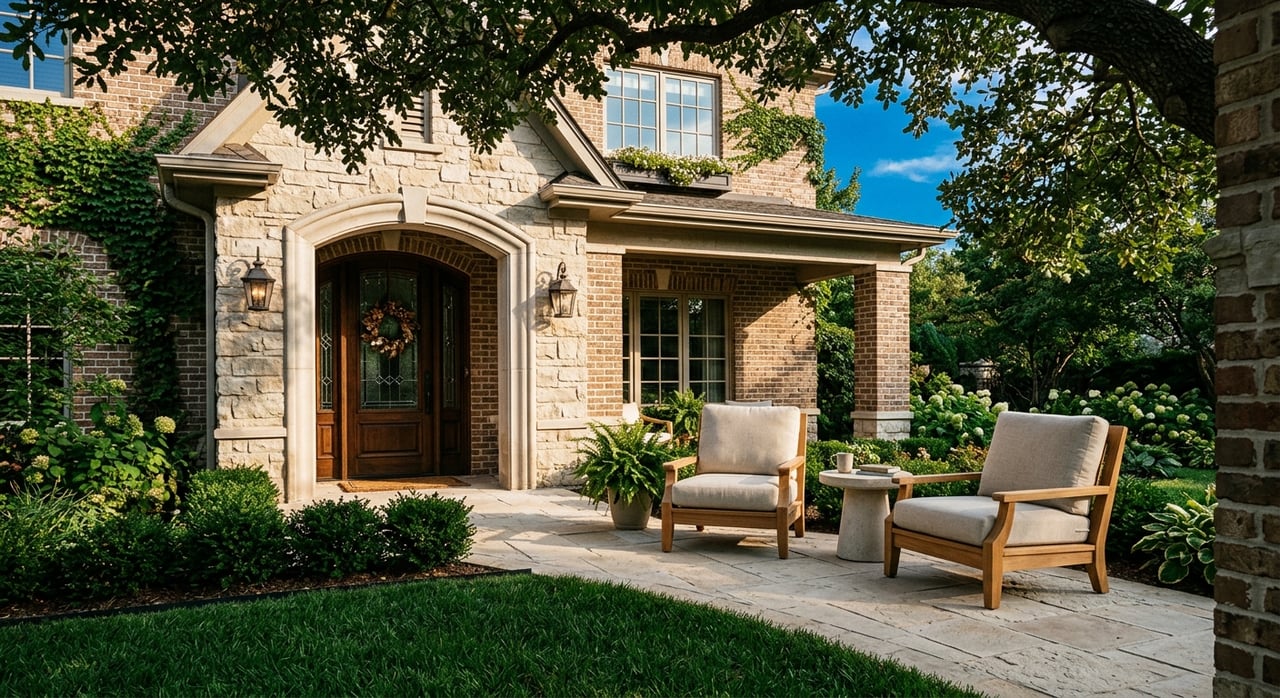
- Lot quality and outdoor living can move value beyond simple square-foot metrics. Mature trees, pool and patio setups, and park or water views often justify meaningful adjustments.
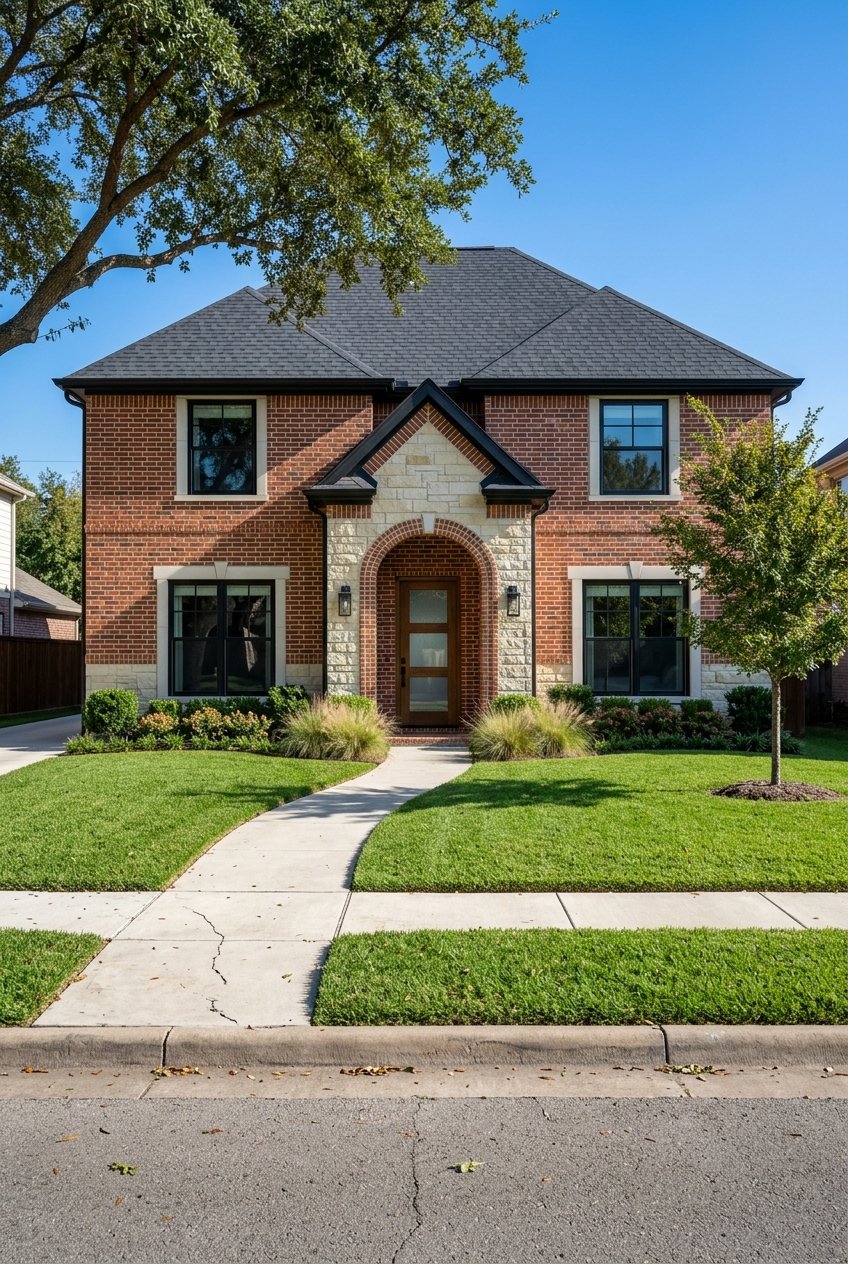
- Housing stock varies by age and style. Established neighborhoods offer larger lots and mature landscaping. Newer subdivisions bring modern floor plans and finishes. Match comps by age, floor plan relevance, and condition.
- HOA rules and dues can expand or shrink your buyer pool. Strong governance or higher fees need to be weighed against neighborhood appeal.
- In mid to upper price bands, buyer pools are smaller and more price sensitive. Small changes around search thresholds can dramatically affect visibility.
Build a Coppell-specific CMA
A great CMA is clear, evidence based, and focused on your micro-market. Follow this step-by-step approach.
Define your home precisely
Document finished square footage, bedroom and bath count, lot size, age, updates, roof and HVAC age, garage size, pool, outdoor features, and any special amenities. Verify gross living area and lot size against tax records and sketches. Consistency matters.
Select the right comps
Weight recent solds most heavily, then look to pendings for current negotiation signals, and actives for the competitive ceiling.
- Solds: Aim for 3 to 6 sales within the last 6 to 12 months in the same micro-market. Tighter time windows are better in fast markets.
- Pendings: These reveal where buyers are agreeing on price right now.
- Actives: This is your current competition and practical ceiling. If you are above better-looking actives, you will likely sit.
Always filter by school zone first, then by street type, lot size, and build era. Keep distance tight when possible to limit location noise.
Normalize and adjust thoughtfully
Adjust each comp to the subject property using market-supported logic. In Coppell, the adjustments that usually matter most include:
- Square footage: Use local price per foot derived from similar solds in the same neighborhood and price band. Avoid regional averages without calibrating to the micro-market.
- Bedroom and bath count: Adjust in dollars when changes affect functional utility, such as going from three to four bedrooms.
- Lot and outdoor living: Premiums for larger, private lots, mature landscaping, and well-executed outdoor spaces are common.
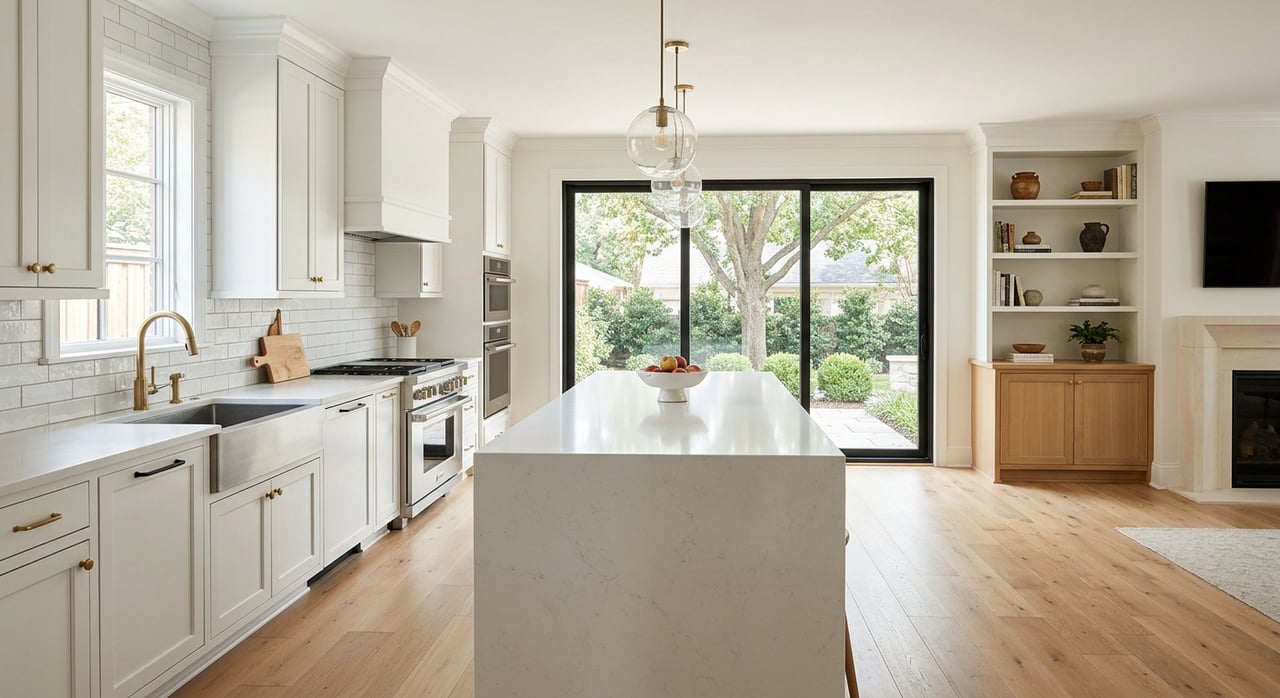
- Condition and finishes: Kitchens and primary baths drive value. A modest kitchen update might support a small percentage adjustment. High-end remodels can justify larger percentage adjustments when backed by paired sales.
- Age and systems: Recent roof, HVAC, plumbing, or electrical improvements reduce buyer risk and can merit adjustments.
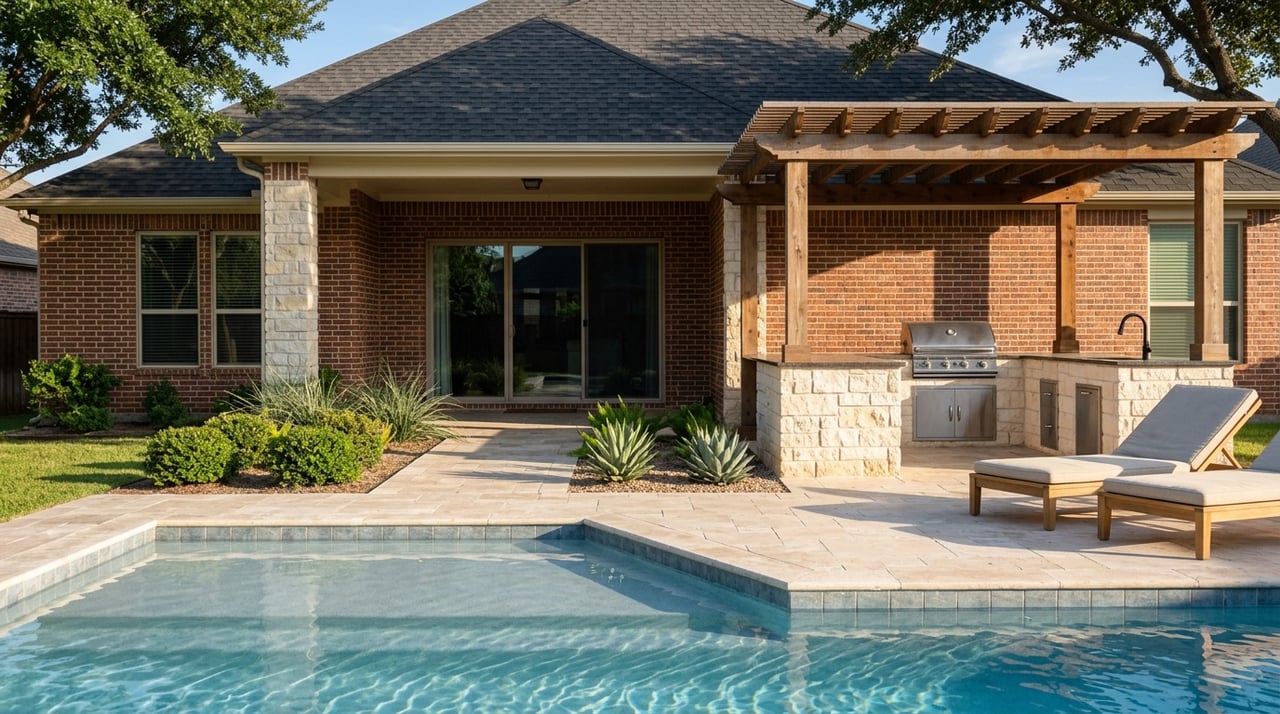
- Pools and specialty features: In family-oriented areas, a pool can add value for many buyers but deter some. Treat this as a fixed-dollar adjustment based on local paired sales.
- Garage and parking: Three-car garages can matter in certain neighborhoods and price points.
- Location within Coppell: Proximity to parks, the town center, and preferred amenities often enhances buyer preference. Adjust for rear exposure, traffic, or airport noise when relevant.
Present a value range and strategy
Your CMA should lead to a clear value range with reasoning. Match your recommended list price to real buyer behavior and competition, not just a midpoint. Include sensitivity scenarios, days-on-market expectations, and how you will respond if initial showings lag.
Micro-market adjustments that move price
Several neighborhood-level attributes regularly shift Coppell pricing. Treat these as primary variables when fine-tuning your CMA.
- School boundaries within Coppell ISD. Even small boundary changes can matter for family buyers. Keep comps within the same boundaries whenever possible.
- Walkability to Coppell Town Center and parks. Easy access to shops, dining, and trails can lift demand.
- Lot privacy and mature landscaping. Established lots with trees or privacy walls often command premiums over infill lots.
- Street type and traffic. Interior cul-de-sacs and low-traffic streets typically outperform homes on busy collector roads.
- Rear exposure and noise. Backing to arterials, commercial uses, or flight paths can require downward adjustments.
- Lot slope and usability. Flat, usable yards that support pools or outdoor living appeal to many Coppell buyers.
- HOA fees and restrictions. Higher dues or restrictive covenants can narrow the buyer pool.
- New build vs resale. New construction may earn a premium for finishes and warranties, but it often competes with resale on value per foot. Treat as a distinct sub-market.
Price positioning and how it affects showings
Price determines how many buyers see your home and how quickly they act. It also sets the tone for negotiation.
Three list-price strategies
- Price slightly under market to spark urgency. You may drive more showings and create competition in the first 7 to 14 days. This can produce stronger terms and a faster close.
- Price at market and let marketing do the work. This offers stable expectations but may slow momentum if buyers are price conscious.
- Price high to test for outliers. This often results in longer days on market and later reductions that weaken leverage.
In the mid to upper bands, buyer pool size is the limiting factor. Search thresholds matter. Pricing at 599,900 can put you in more searches than 600,000 if filters exclude higher numbers. Position accordingly.
What to watch in the first two weeks
The initial 7 to 14 days usually drive the highest traffic. Track these metrics against similar active listings:
- Showings per week. If you are under 50 to 60 percent of comparable listings after week two, consider a price or marketing adjustment.
- Feedback and offers. If buyers consistently cite price or if offers are silent, your price is likely high.
- Price-reduction patterns in the area. If reductions are common in your band, starting closer to market can avoid chasing the market down.
When and how to adjust
Use a decision framework rather than reacting emotionally:
- Early red flags in 7 to 14 days: If showings lag well below peers and feedback points to price, consider a small reduction of 1 to 3 percent.
- After 2 to 4 weeks: If offers are limited and showings remain light, consider a medium reduction of 3 to 6 percent or retool your presentation.
- After 30 to 45 days: If you still lack activity, reassess the price band and marketing. Larger repositioning cuts of 5 to 10 percent may be needed.
Avoid a string of tiny reductions that signal weakness. One clear repositioning, backed by refreshed marketing and a new narrative, tends to perform better.
Protect your net proceeds
Your goal is not just the highest contract price. It is the best net with reasonable time and risk. Understand how each lever affects your bottom line.
- Costs that impact net: commissions per your listing agreement, title and closing costs, prorated taxes and HOA dues, mortgage payoff, and any seller credits or repairs.
- Trade-off to consider: A slightly lower list price that drives multiple offers can push the final net higher than starting high and cutting later.
- Run sensitivity scenarios: Model best, expected, and downside cases that factor different sale prices and typical costs. Use your CMA range to frame these scenarios.
A clear plan aligns price, presentation, and timing. It also reduces the chance of concession-heavy negotiations later.
Quick seller checklist
Use this to prepare for market and evaluate agent proposals:
- Property specs verified: GLA, bedroom and bath count, lot size, build year, finished vs unfinished spaces
- Renovation and system dates: roof, HVAC, plumbing, electrical, kitchen, and primary bath
- Comps package: at least 3 recent solds, 1 to 3 pendings, and 2 to 3 actives in your micro-market
- Local price per foot: by neighborhood and by price band
- School zone and boundary confirmation
- HOA details: rules, dues, and any transfer fees
- Recent utility, tax, and insurance data
- Showing benchmarks for similar active listings and price bands
- Buyer feedback summaries and agent comments
How The Hahn Team helps you price with confidence
You deserve a pricing plan grounded in local evidence and supported by premium presentation. The Hahn Team delivers:
- A written CMA built from Coppell micro-market comps with clear adjustment notes, including school-zone and street-level factors
- A pricing strategy that considers search thresholds and early showing targets so you capture momentum in week one
- Marketing that matches upper-tier expectations: professional photography, listing video, and social-first distribution to expand reach
- A negotiation plan led by experienced agents who know how mid to upper band buyers think
- A 30-day listing calendar with showing goals, plus a contingency plan with defined triggers for potential price adjustments
If you want a pricing conversation that blends data, neighborhood experience, and polished execution, let’s talk about your goals and timing.
Ready to price your Coppell home with confidence? Connect with Jeff Hahn to Make Your Best Move.
FAQs
What is a CMA and how precise is it in Coppell?
- A CMA is a data-backed value range using recent solds, pendings, and actives in your micro-market. It supports a recommended list price but is not an appraisal.
How do school zones affect my Coppell home price?
- School boundaries are a major demand driver. Keep comps in the same zone and adjust carefully when boundaries differ.
What features often add the most value in Coppell?
- Well-executed kitchens and primary baths, usable outdoor living, mature trees, and three-car garages can support premiums when paired-sales support exists.
How should I think about pools when pricing?
- Treat pools as a fixed-dollar adjustment based on local paired sales. Many buyers value them, but some do not, so rely on nearby evidence.
When should I consider a price reduction?
- If showings lag below 50 to 60 percent of similar listings after 7 to 14 days or feedback cites price, consider a reduction sized to your goal and buyer pool.
Do small, repeated price cuts hurt my sale?
- A series of tiny cuts can signal overpricing and erode leverage. One clear repositioning with refreshed marketing usually works better.
How can I protect my net proceeds if I adjust price?
- Address obvious condition issues early, match presentation to price, and use a clear strategy that targets the right search threshold and buyer pool.