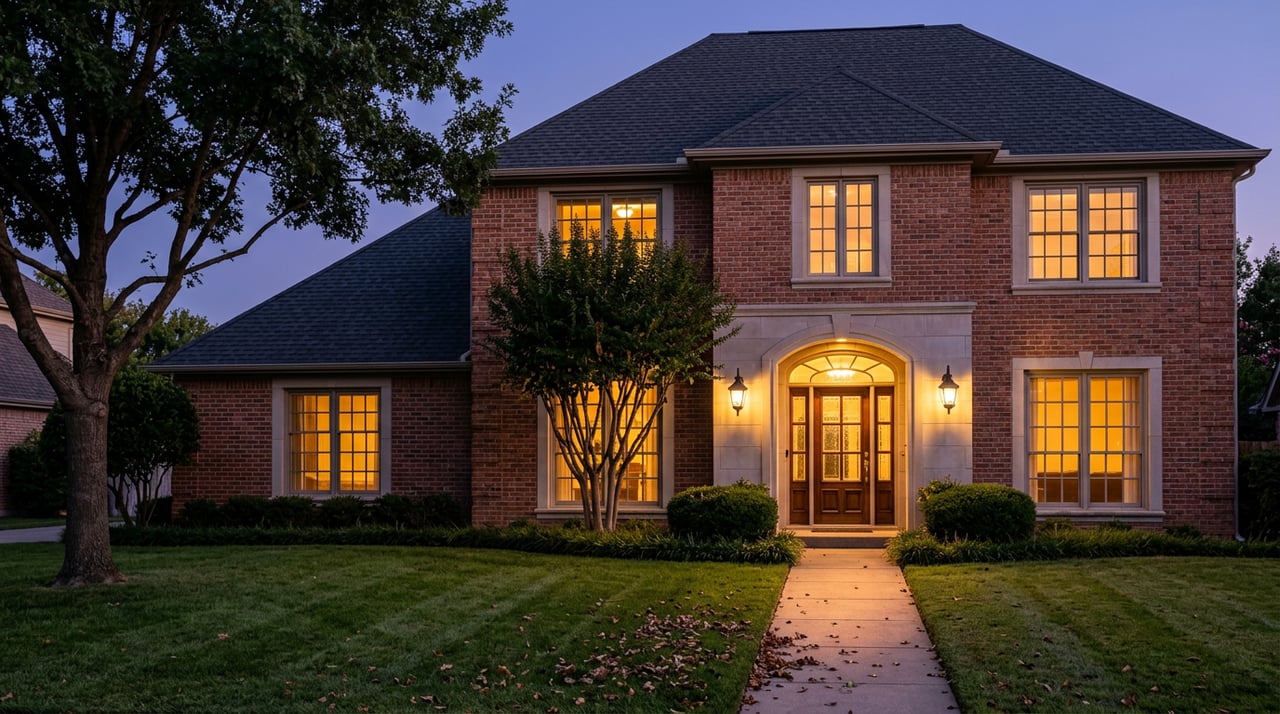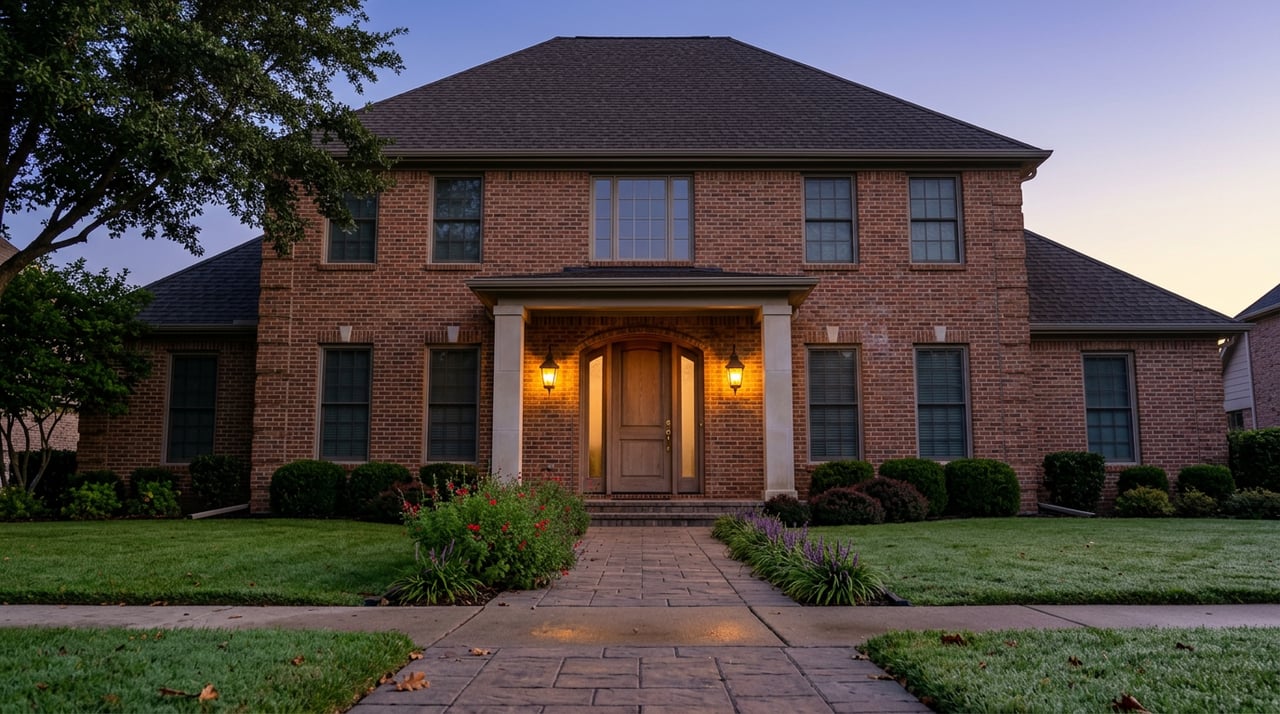
Are you trying to buy your next home in Coppell while selling your current one at the same time? That can feel like a lot to juggle, especially when timing, equity, financing, and everyday life all need to line up. The good news is that with the right plan, a move-up transition can be much more manageable. Let’s walk through what matters most in Coppell and how to build a smoother path forward.
Why move-up buyers stay in Coppell
Coppell gives many homeowners a strong reason to stay local when they need more space or a different layout. The city is compact, with a January 2025 population estimate of 43,196, and it has a high owner-occupied housing share of 67.89%. Median household income is $144,246, median owner-occupied home value is $623,780, and 74.38% of housing is single-unit.
That profile matters for move-up buyers. It points to a market where many households already have equity and may prefer to trade up nearby instead of leaving the area. Coppell ISD also reports that the city is just over 14 square miles, the district spans more than 23 square miles, and the district serves more than 13,100 learners.
For daily life, Coppell offers practical lifestyle continuity too. The city reports more than 25 miles of multi-use trails, and Coppell ISD reports 11 elementary schools, three middle schools, two high schools, one ninth-grade campus, and an alternative campus. If you already feel rooted here, a move-up purchase can help you improve your home without giving up your routines.
What the Coppell market means for timing
If you are planning a buy-and-sell move, timing starts with understanding the local market. In Coppell, public market snapshots show an active market, but they do not all measure the same thing. That means you need to be careful about comparing one headline number to another.
Realtor.com says Coppell was a balanced market in March 2026, with a median listing price of $669,000, median days on market of 29, a sale-to-list ratio of 89%, and homes selling about 10.83% below asking on average. Redfin reports a median sale price of $540,000 and average days on market of 35. Zillow’s home value index shows an average home value of $619,492, with homes going pending in about 29 days.
The takeaway is simple. Coppell appears active, but buyers are still price-sensitive. For you, that means pricing your current home well and preparing your next-home offer with a realistic strategy are both important.
Sell first or buy first?
For many homeowners, selling first is still the cleaner path. The CFPB says most people normally try to sell their home before buying another one. That approach can reduce financial pressure and give you a clearer picture of how much equity you will have for your next purchase.
Selling first can also lower the risk of carrying two homes at once. You may avoid overlapping mortgage payments, double utility bills, and a rushed price reduction if your current home lingers on the market. If your goals are clarity and control, this path often makes the most sense.
Still, selling first is not your only option. If you need to secure your next home before listing or closing on your current one, there are ways to structure that move. The best choice depends on your finances, your tolerance for risk, and how flexible your timeline can be.
Get financially ready before you move
Before your search gets serious, your financial prep matters more than many people expect. The CFPB advises buyers to check credit, assess spending, and avoid new loans or large credit-card purchases in the months before buying. Those actions can lower your credit score and increase mortgage costs.
Preapproval is also an important step, but it is not permanent. The CFPB says preapproval letters are tentative and often expire after 30 to 60 days. They can still strengthen your position because they show a seller that your financing is likely to work.
If you are using proceeds from your current home, build your plan around real numbers rather than rough estimates. You want to understand your likely equity, your cash needs, and how much flexibility you have if timelines shift. That kind of preparation can help you move faster when the right home appears.
Contingent offers for move-up buyers
If you need your current home to sell before you can close on the next one, a contingent offer may be the right fit. The CFPB notes that offers can be contingent on financing and a satisfactory inspection. NAR also says a home-sale contingency can give buyers time to sell their current home before closing on the new one.
This can protect you from getting overextended, but it may also make your offer less appealing in some situations. NAR notes that sellers may keep marketing the property with continue-to-show language and a kick-out clause. In plain terms, that means a seller may accept your offer while still keeping options open if another buyer shows up.
Appraisal contingencies also matter. NAR notes that lenders typically will not issue a mortgage above appraised value, and TREC says that whenever a loan is involved, the property will need to be appraised. In a move-up purchase, that is one more timing and pricing detail to account for.
Non-contingent options and bridge financing
Some buyers want to compete without making their purchase contingent on selling their current home. One possible structure is a bridge loan. The CFPB identifies bridge loans as short-term financing, generally 12 months or less, used to help buy a new home while selling an existing one.
This route can give you more flexibility, but it also raises the stakes. You need to be comfortable with the costs, the risk of overlap, and the possibility that your current home may not sell as quickly as you hoped. In a price-sensitive market, that planning matters.
A non-contingent strategy is not automatically better. It is simply a different tradeoff. If you go this route, you want a timeline, financing plan, and backup plan that are all clear before you make an offer.
Texas contract details you should know
In Texas, contract timing and paperwork play a big role in a smooth move-up transaction. TREC says that as of January 1, 2026, written agreements with prospective residential buyers are required before showings or before an offer is presented. That means you should line up representation before your search gets active.
The option period is another major piece. TREC describes it as a negotiated due-diligence window in which a buyer can terminate for any reason and recover earnest money if notice is timely. The option fee is separate and nonrefundable.
This matters because a move-up buyer often needs room to inspect the property, review finances, and coordinate timing. Complex situations may also require an attorney, according to TREC. When your sale and purchase are tied together, small contract details can have a big impact.
How to solve the timing gap
One of the biggest worries in a move-up plan is the gap between closings. What if your current home sells before your next one is ready? Or what if your new home is available before your old one closes?
This is where temporary occupancy tools can help. NAR says rent-back clauses let sellers remain in the home after closing if the buyer agrees, and early move-in clauses let buyers occupy before closing when terms are carefully negotiated. TREC also has separate Seller’s Temporary Residential Lease and Buyer’s Temporary Residential Lease forms for occupancy of no more than 90 days around closing.
For many Coppell households, this can make the move much less disruptive. It can help you work around school schedules, pet logistics, work calendars, and moving company availability. The key is to map this out before listing, not after you are already under pressure.
Build slack into your closing plan
Even when everything seems on track, the final days before closing can get tight. The CFPB says buyers must receive the Closing Disclosure at least three business days before closing. That requirement alone is a good reason not to plan your move with zero margin.
Try to think of your timeline as a working plan, not a fixed script. Inspection findings, appraisal timing, lender conditions, and closing coordination can all affect your calendar. A little extra breathing room can save you a lot of stress.
A practical move-up checklist
If you are planning a move-up buy and sell in Coppell, start with these steps:
- Review your credit and monthly spending before applying for financing.
- Avoid new loans and large credit-card purchases.
- Get preapproved and note the expiration window on your letter.
- Estimate your likely equity from your current home.
- Decide whether selling first or buying first fits your finances and comfort level.
- Talk through contingent and non-contingent offer strategies.
- Plan for the option period, inspection, and appraisal timeline.
- Think ahead about rent-back, early move-in, or temporary lease needs.
- Build extra time into your closing and moving calendar.
- Set up your buyer representation agreement before tours or offers.
Why planning matters in Coppell
In a market like Coppell, move-up success often comes down to preparation more than speed alone. Homes are moving, but buyers are paying attention to price and value. That means your sale strategy and your purchase strategy need to support each other.
The strongest plans usually start with a clear order of operations. Know your finances, understand your timing tools, and prepare for a few different outcomes before you make the first move. That approach can help you make confident decisions instead of reactive ones.
If you want a move-up plan built around your home, your timeline, and your next goals in Coppell, Jeff Hahn can help you map out the sale, search, and contract strategy with clear local guidance.
FAQs
Should I sell my home first before buying in Coppell?
- For many homeowners, selling first is the simpler option because it can reduce financial pressure and clarify how much equity you have for your next purchase.
What does a contingent offer mean for a Coppell move-up buyer?
- A contingent offer can give you time to sell your current home before closing on the next one, but the seller may still keep marketing the property depending on the contract terms.
How long does a preapproval last when buying a home in Coppell?
- The CFPB says preapproval letters are tentative and often expire after 30 to 60 days.
What is the option period in a Texas home purchase?
- In Texas, the option period is a negotiated due-diligence window when you can terminate for any reason and recover earnest money if you give timely notice, though the option fee is nonrefundable.
Can I stay in my current home after closing if I buy another home in Coppell?
- Yes, that may be possible if the parties agree to a rent-back or temporary residential lease arrangement using the appropriate Texas forms.
Can I move into my next Coppell home before closing?
- In some cases, yes, if an early move-in arrangement is carefully negotiated and documented by the parties.
Why should I build extra time into my Coppell move-up timeline?
- Extra time can help you absorb inspection, appraisal, financing, and closing steps, including the required three-business-day Closing Disclosure period before closing.